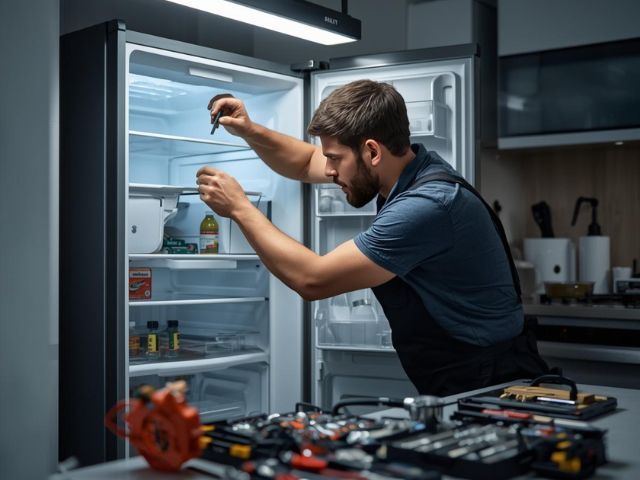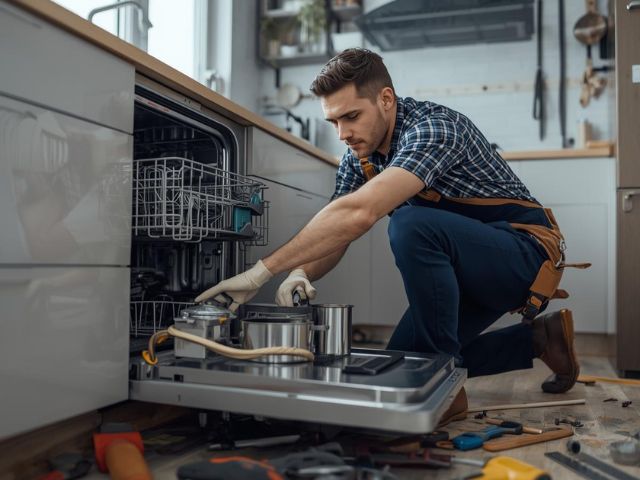


Viking appliances are renowned for their professional-grade performance, precision engineering, and elegant design. However, even the best appliances can face wear and tear over time. Knowing how to handle repairs efficiently can save you time, money, and frustration. Whether you’re a seasoned home chef or simply want your appliances to run at peak performance, these essential tips from Viking Appliance Repair Pros will guide you in maintaining, troubleshooting, and repairing your Viking appliances safely and effectively.
Understand Your Viking Appliance Inside and Out
One of the first steps to ensuring successful repairs is understanding how your Viking appliance works. Each model comes with specific features, parts, and maintenance requirements. Familiarity with your appliance can prevent unnecessary errors during repairs.
- Read the manual thoroughly: Viking appliances often include detailed diagrams, safety tips, and troubleshooting sections. Investing time in reading the manual pays off during minor repairs.
- Know the common issues: Gas ranges, refrigerators, ovens, and dishwashers each have typical problems that occur over time. Recognizing early warning signs can prevent major breakdowns.
- Identify key components: Knowing the location of control boards, heating elements, and valves helps you troubleshoot faster and avoid unnecessary disassembly.
For more advice on avoiding common pitfalls, check out our previous guide, Avoid These Mistakes When Repairing Viking Appliances.
Safety Comes First: Protect Yourself and Your Appliances
Repairing appliances can be dangerous if proper precautions are not taken. Viking appliances, with their advanced electrical and gas components, require special attention to safety.
- Disconnect power and gas lines: Always unplug the appliance or shut off the gas supply before beginning any repair. This prevents electric shocks or gas leaks.
- Use proper tools: Using the right screwdriver, multimeter, or wrench not only makes the repair easier but reduces the risk of damaging sensitive components.
- Wear safety gear: Gloves, protective eyewear, and sturdy shoes are essential when working on appliances with sharp edges or electrical circuits.
- Check for leaks: After a repair, double-check gas connections or water lines to prevent accidents.
By prioritizing safety, you protect yourself while also extending the lifespan of your Viking appliances.
Troubleshoot Before You Replace
Not every problem requires a complete replacement of the appliance. Many issues can be resolved with careful troubleshooting.
- Identify symptoms: Strange noises, uneven heating, or error codes are valuable clues. Documenting these symptoms helps in diagnosis.
- Check power sources: Often, an appliance issue stems from a tripped breaker, a blown fuse, or a faulty outlet. Rule out electrical issues first.
- Test components individually: Use a multimeter to check motors, sensors, or heating elements before replacing them.
- Reset or recalibrate: Some Viking appliances allow for a system reset or recalibration that can fix operational errors without any replacement parts.
This approach saves time, reduces unnecessary expenses, and ensures your appliance remains in peak working condition.
Invest in Genuine Viking Parts
One of the most critical factors in successful repairs is using authentic Viking replacement parts. Counterfeit or generic parts may fit, but they often compromise performance and void warranties.
- Always check the part number: Verify it against your appliance model to ensure compatibility.
- Purchase from authorized suppliers: Using trusted sources guarantees you receive parts that meet Viking’s high-quality standards.
- Avoid generic shortcuts: A cheaper component might work temporarily but can lead to recurring failures or damage to other systems.
By investing in genuine parts, you preserve the efficiency, safety, and longevity of your Viking appliances.
Maintain Regular Cleaning and Care
Preventive maintenance is just as important as repair. Regular cleaning and inspection can prevent minor issues from turning into major problems.
- Clean burners, filters, and vents: Build-up of grease, dust, or debris reduces efficiency and can cause overheating or malfunctions.
- Check seals and gaskets: Refrigerator and oven seals can wear out over time, leading to energy loss and inconsistent performance.
- Inspect water lines and hoses: Dishwashers and refrigerators with water dispensers benefit from periodic hose inspections to prevent leaks and blockages.
- Polish and protect surfaces: Stainless steel Viking appliances are prone to smudges and scratches. Use a soft cloth and non-abrasive cleaners to maintain a polished look.
Routine care reduces the frequency of repairs and keeps your appliances running like new for years.
Know When to Call the Experts
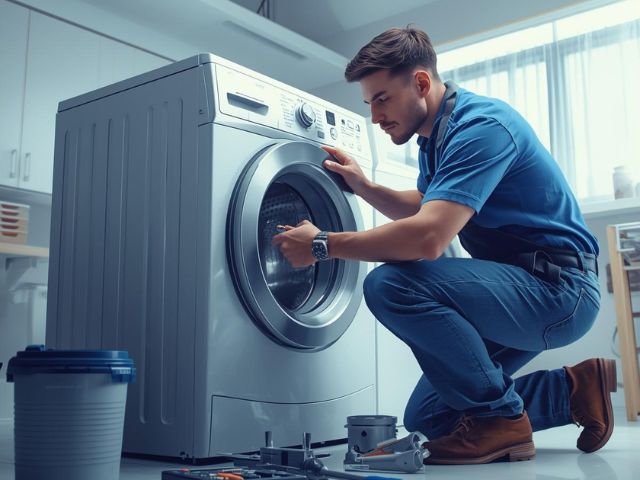
While DIY repairs can handle minor issues, certain problems require professional expertise. Attempting complex repairs without proper training can lead to costly damage or safety hazards.
- Electrical or gas issues: Professionals have the tools and knowledge to handle wiring or gas connections safely.
- Advanced diagnostics: Experienced technicians can read error codes, test circuits, and identify subtle problems that DIY methods may miss.
- Warranty concerns: Repairs performed by certified professionals ensure your Viking warranty remains valid.
Viking Appliance Repair Pros specializes in these scenarios, offering expert service to restore your appliances efficiently and safely.
Keep Track of Service History
Documenting every repair, maintenance check, and part replacement ensures better service in the future.
- Create a repair log: Note the date, issue, repair performed, and parts used.
- Review patterns: Multiple failures of the same component might indicate a larger systemic issue.
- Schedule preventative maintenance: A repair log helps technicians recommend timely checks before small problems escalate.
Maintaining organized records saves both time and money when future repairs are needed.
Optimize Appliance Performance
Even after repairs, optimizing your Viking appliance ensures it runs efficiently and lasts longer.
- Check calibration: Ovens, ranges, and refrigerators perform best when correctly calibrated.
- Use recommended settings: Viking appliances are engineered for specific temperature, speed, or cycle settings. Following these keeps them performing at peak levels.
- Avoid overloading: Overcrowding ovens or dishwashers strains motors and heating elements, accelerating wear.
- Monitor energy usage: Proper maintenance and repair can reduce energy consumption, saving money while supporting sustainability.
Optimized performance is a natural outcome of proper repairs and maintenance.
Avoid Common DIY Mistakes
Even well-intentioned DIY repairs can go wrong. Some of the most frequent errors include:
- Using incorrect replacement parts
- Skipping safety procedures
- Misdiagnosing the problem
- Over-tightening connections or screws
- Ignoring manufacturer recommendations
Benefits of Professional Viking Appliance Repair
Relying on trained technicians has clear advantages:
- Faster diagnosis and repair: Experts quickly identify the root cause of problems.
- Extended appliance lifespan: Correct repairs prevent repeated failures and premature wear.
- Safety assurance: Licensed professionals minimize risk of fire, electric shock, or gas leaks.
- Peace of mind: Knowing your appliances are serviced by certified experts reduces stress and uncertainty.
Ultimately, professional repairs protect your investment and maintain your household’s efficiency and comfort.
Frequently Asked Questions
- Can I repair my Viking appliance myself?
Yes, minor issues like replacing filters or cleaning burners can often be handled safely. For electrical or gas-related repairs, always consult a professional. - How do I know if a part is genuine Viking?
Check the part number, purchase from authorized suppliers, and verify compatibility with your appliance model. Avoid generic or aftermarket parts. - How often should I schedule maintenance?
At least once a year for major appliances like ovens, ranges, and refrigerators. Some components, like dishwasher filters, may need more frequent attention. - What are the signs I should call a professional?
Unusual noises, inconsistent heating/cooling, error codes, leaks, or issues with electrical/gas components. - Are professional repairs expensive?
Costs vary depending on the appliance and problem, but professional repairs often save money in the long run by preventing repeat issues and protecting warranties.
Conclusion: Preserve, Protect, and Perform
Viking appliances are an investment in performance, efficiency, and style. Proper repairs, maintenance, and professional guidance ensure they deliver on that promise for years to come. By understanding your appliance, prioritizing safety, using genuine parts, and knowing when to call experts, you can avoid costly mistakes and enjoy the full benefits of your Viking appliances.
Whether troubleshooting a minor issue, performing preventive maintenance, or scheduling professional repairs, the tips from Viking Appliance Repair Pros empower you to make smart decisions and keep your appliances running at peak performance. Don’t let small issues become major problems—take action today and ensure your Viking appliances continue to perform like new.