

Wine enthusiasts and homeowners investing in quality wine storage understand that temperature control is paramount to preserving their collection. Whether you’re storing a few favorite bottles or building an extensive cellar, one critical question emerges: how cold does a wine cooler get? This comprehensive guide explores wine cooler temperature ranges, optimal storage conditions, and why Viking wine coolers stand out as the premier choice for serious wine collectors. Understanding these fundamentals ensures your investment in both wine and appliances delivers exceptional results for years to come.
Understanding Wine Cooler Temperature Ranges
Wine coolers are engineered to maintain specific temperature ranges that differ significantly from standard refrigerators. Most quality wine coolers operate between 45°F and 65°F, though capabilities vary by manufacturer and model. This range accommodates various wine types, from crisp whites requiring cooler storage to full-bodied reds that thrive in slightly warmer conditions. Standard refrigerators, by contrast, maintain temperatures around 35°F to 38°F—far too cold for proper wine storage and potentially harmful to your bottles.
The temperature spectrum within wine coolers serves distinct purposes. White wines and sparkling varieties perform best between 45°F and 50°F, preserving their delicate aromatics and crisp acidity. Red wines prefer temperatures between 55°F and 65°F, allowing their complex flavor profiles to develop properly. Dual-zone wine coolers provide simultaneous temperature control for different wine types, offering flexibility that single-zone units cannot match.
Why Temperature Precision Matters for Wine Storage
Temperature fluctuations represent one of the greatest threats to wine quality. Consistent temperatures prevent premature aging, cork deterioration, and flavor degradation. When wine experiences temperature swings, the liquid expands and contracts, potentially compromising the seal and allowing oxygen infiltration. This oxidation process irreversibly damages wine, turning your prized bottles into expensive vinegar.
Professional storage facilities maintain unwavering temperature control because even minor variations impact wine chemistry. Proteins, tannins, and esters—the compounds responsible for wine’s complexity—evolve predictably only under stable conditions. Homeowners seeking restaurant-quality wine preservation need appliances that replicate these professional standards. This is where premium manufacturers like Viking separate themselves from budget alternatives.
Viking Wine Cooler Temperature Capabilities
Viking wine coolers represent the pinnacle of residential wine storage technology. These precision-engineered units achieve temperatures as low as 39°F and as high as 65°F, providing unparalleled versatility for diverse collections. The advanced cooling systems in Viking models maintain temperature accuracy within one degree, eliminating the fluctuations that plague lesser appliances. This precision ensures every bottle ages gracefully, developing the intended flavor profile winemakers worked years to create.
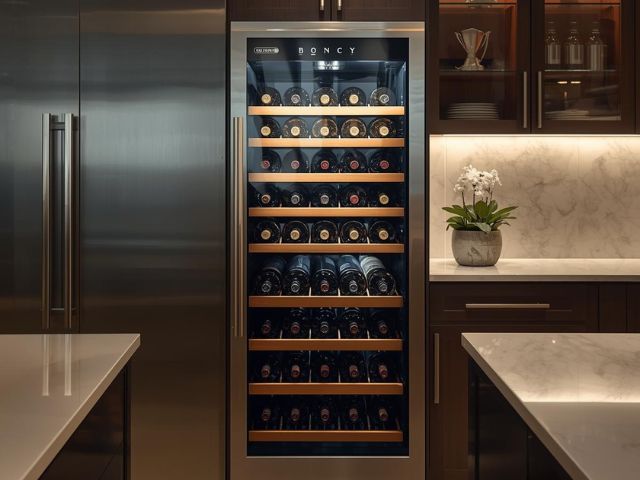
What distinguishes Viking wine coolers is their dual-zone temperature management system. The upper zone can maintain cooler temperatures for whites and champagnes while the lower zone keeps reds at optimal serving temperature. This configuration eliminates compromise, allowing collectors to store their entire inventory in a single, beautifully designed unit. The commercial-grade compressors in Viking appliances run efficiently and quietly, maintaining consistent temperatures without the cycling noise common in residential models.
Viking’s commitment to temperature stability extends beyond raw cooling power. Their models feature dynamic cooling technology that responds to ambient temperature changes, automatically adjusting compressor output to maintain setpoint accuracy. This intelligent system prevents the temperature spikes that occur when lesser units struggle against external heat. For homeowners in warmer climates or those installing wine coolers in non-climate-controlled spaces, this feature proves invaluable.
Factors Affecting Wine Cooler Performance
Several variables influence how effectively wine coolers maintain their designated temperatures:
- Ambient room temperature plays a significant role—units installed in hot garages or sun-exposed rooms work harder to achieve target temperatures. Door openings introduce warm air, temporarily raising internal temperatures until the cooling system compensates. Proper ventilation around the appliance ensures efficient heat dissipation, preventing the compressor from overworking and shortening its lifespan.
- Bottle capacity and arrangement also impact temperature consistency. Overcrowding restricts air circulation, creating hot spots where wine doesn’t receive adequate cooling. Viking wine coolers incorporate sophisticated air circulation systems that distribute cold air evenly throughout the cabinet, but proper loading remains essential. Leaving space between bottles and avoiding blocking air vents maximizes these systems’ effectiveness.
- Installation location deserves careful consideration. Built-in wine coolers require specific clearances for ventilation, while freestanding models need adequate space around all sides. Viking provides detailed installation specifications ensuring their units operate at peak efficiency. Following these guidelines prevents performance issues and extends appliance longevity, protecting your investment in both the wine cooler and your wine collection.
Optimal Temperature Settings for Different Wines
- Red wines achieve ideal storage and serving temperatures between 55°F and 65°F. Lighter reds like Pinot Noir prefer the cooler end of this spectrum, while bold Cabernets and Syrahs excel at warmer temperatures.
- White wines require cooler storage, typically 45°F to 50°F, preserving their refreshing acidity and delicate fruit notes.
- Champagne and sparkling wines demand the coldest settings, ideally between 40°F and 45°F, maintaining their signature effervescence and crisp finish.
- Long-term storage benefits from consistency more than specific temperature. Setting your Viking wine cooler to a steady 55°F works beautifully for all wine types during aging. This temperature slows chemical reactions sufficiently for proper development without halting them entirely. When ready to serve, you can briefly adjust temperatures or transfer bottles to serving-specific zones, ensuring each wine reaches its ideal drinking temperature.
Monitoring and Maintaining Proper Temperatures
- Regular temperature monitoring ensures your wine cooler performs correctly. Viking wine coolers feature digital displays showing real-time temperatures in each zone, eliminating guesswork. However, placing an independent thermometer inside provides additional verification, particularly useful for detecting subtle malfunctions before they damage your collection. Check temperatures weekly, noting any unusual fluctuations that might indicate maintenance needs.
- Condenser coil maintenance directly impacts temperature performance. Dirty condenser coils force compressors to work harder, reducing efficiency and temperature stability. Clean these coils quarterly using a vacuum or soft brush, following Viking’s maintenance guidelines.
- Door seal inspection requires periodic attention—damaged or dirty gaskets allow cold air escape, compromising temperature control. Replace worn seals promptly to maintain optimal performance.
Final Insights
Understanding how cold does a wine cooler get empowers homeowners to make informed decisions about wine storage and appliance selection. Temperature ranges between 45°F and 65°F accommodate virtually all wine types, but achieving consistent temperatures requires quality equipment. Viking wine coolers deliver professional-grade performance, maintaining precise temperatures that preserve and enhance your wine collection’s value. Their dual-zone capabilities, advanced cooling technology, and robust construction ensure your investment receives the protection it deserves. When you understand the critical relationship between temperature control and wine quality, choosing a Viking wine cooler becomes an obvious decision—one that pays dividends with every perfectly aged bottle you enjoy. Remember, the question isn’t just how cold does a wine cooler get, but rather how consistently and precisely it maintains those temperatures over years of reliable service.
Protect Your Investment with Expert Viking Wine Cooler Service
Your Viking wine cooler represents a significant investment in preserving your wine collection. When temperature inconsistencies or performance issues arise, trust the specialists at Viking Appliance Repairs. Our certified technicians understand the sophisticated cooling systems in Viking appliances, delivering prompt, professional service that restores optimal performance. Don’t risk your valuable wine collection to inexperienced repair services—contact us today for expert Viking wine cooler maintenance and repair.
Frequently Asked Questions
Q: Can I use my wine cooler as a regular refrigerator? Wine coolers aren’t designed for food storage and lack the extremely cold temperatures required for food safety. Their temperature ranges and humidity levels optimize wine preservation, not perishable food storage.
Q: How long does it take a wine cooler to reach the set temperature? Most quality wine coolers, including Viking models, reach their set temperature within 2-4 hours of initial startup. Full stabilization with a complete wine load may take 24 hours.
Q: Should I adjust temperatures seasonally? High-quality wine coolers like Viking models automatically compensate for ambient temperature changes, eliminating the need for seasonal adjustments. Maintain consistent setpoints year-round for best results.
For more expert advice on maintaining your Viking appliances, check out our previous blog: How to Prevent Recurring Issues in Viking Appliances.