

If your Viking oven won’t ignite, it can quickly disrupt meal prep and throw off your schedule. Viking ovens are known for their performance and reliability, but like any appliance, issues can arise. One of the most common culprits is a faulty oven igniter. Understanding why this happens and how to address it can save you time, money, and frustration.
Whether your oven is gas-powered or electric, an igniter problem can prevent burners from lighting or heating correctly. Luckily, with guidance from Viking Appliance Repair Pros, many homeowners can troubleshoot effectively and know when to call in professional help.
For more insights on maintaining and repairing Viking appliances, check out our related resource: What Most Homeowners Don’t Know About Viking Repair Near Me.
Common Reasons Your Viking Oven Igniter Stops Working
A malfunctioning igniter can be caused by several factors, each affecting your oven’s ability to light. Understanding these common reasons helps you pinpoint the problem faster:
- Worn-Out Igniter
Over time, igniters weaken due to repeated heating and cooling cycles. A weak igniter may glow dimly or fail to ignite the gas entirely. - Electrical Issues
Loose wiring, burnt-out connections, or faulty voltage supply can prevent the igniter from receiving enough power to function. - Clogged or Dirty Burners
Food debris, grease, and residue can obstruct the burner ports, stopping the igniter from sparking properly. Regular cleaning helps prevent this issue. - Faulty Safety Valve
Modern gas ovens use a safety valve to regulate gas flow. If this component fails, the igniter may glow but fail to ignite gas. - Age of the Appliance
Even with proper care, older ovens may have components that simply wear out. Recognizing the age factor can help determine if replacement parts are a better solution than repair.
How to Check if Your Oven Igniter is the Problem
Before rushing into costly repairs, there are safe ways to determine whether the igniter is the root cause:
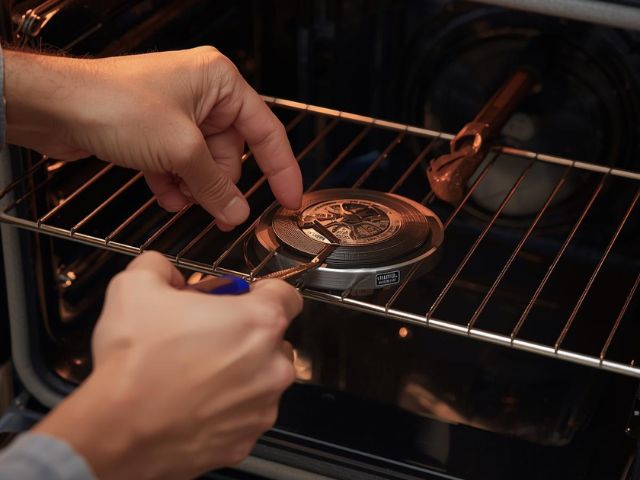
Visual Inspection
- Turn off power and gas supply before inspecting.
- Look for cracks, breaks, or visible damage on the igniter element.
- Check for loose wires or burned connectors.
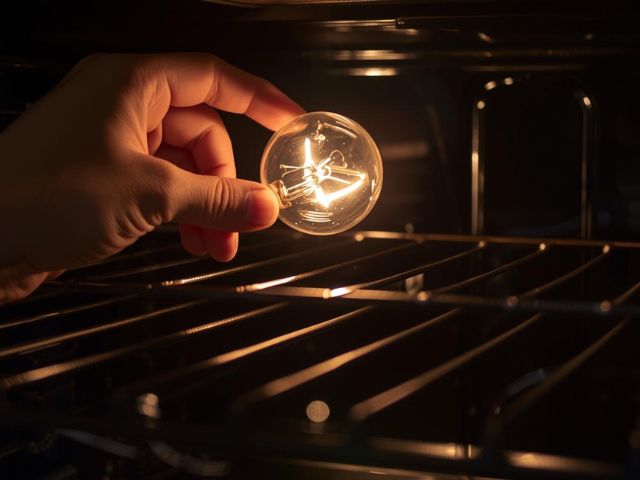
Glowing Test
- Turn the oven on to see if the igniter glows.
- A dim glow indicates a weak igniter, while no glow could signal complete failure or electrical issues.
Voltage Test (Advanced)
- Using a multimeter, check the igniter’s resistance.
- Consult your oven’s manual for specific readings; inconsistent or zero resistance usually means the igniter needs replacing.
DIY Fixes for Minor Igniter Problems
Some igniter issues can be addressed at home with proper precautions. Always turn off electricity and gas before attempting any repair.
- Cleaning the Igniter and Burners
- Remove debris, grease, and buildup carefully.
- Avoid abrasive tools that can damage the igniter.
- Tightening Loose Connections
- Inspect wiring for looseness or corrosion.
- Tighten screws and connectors to ensure proper electrical contact.
- Resetting the Oven
- Sometimes a simple reset can resolve minor electronic glitches.
- Turn off the power for 5–10 minutes, then restore it and test the igniter.
While these steps are helpful for minor issues, more complex problems like a failing safety valve or a severely weakened igniter require professional attention.
When to Call a Viking Appliance Repair Expert
Some igniter issues aren’t safe to fix at home. Gas ovens in particular pose risks of fire or carbon monoxide leaks. Call a professional if:
- The igniter doesn’t glow despite power and cleaning.
- You smell gas around the oven.
- Wiring or the safety valve seems damaged.
- The oven is older and parts are corroded or unavailable.
Viking Appliance Repair Pros specialize in diagnosing and repairing Viking ovens safely, ensuring your appliance functions reliably. Professional repairs also preserve warranties and prevent further damage.
Signs of a Weak Igniter You Shouldn’t Ignore
Ignoring a failing igniter can cause bigger problems down the line. Watch for these warning signs:
- Oven takes unusually long to heat up.
- The igniter glows intermittently or flickers.
- Gas burners fail to light consistently.
- A clicking or buzzing sound accompanies ignition attempts.
Addressing these early prevents costly repairs and keeps your cooking safe.
Safety Tips While Troubleshooting Your Oven
Gas appliances require extra care. Keep these tips in mind:
- Always turn off the gas supply before inspecting the igniter.
- Avoid using water or damp cloths on electrical components.
- Work in a well-ventilated area to avoid gas accumulation.
- Never attempt to repair an igniter if you smell strong gas—evacuate the area and call a professional.
How Professional Technicians Fix Igniter Problems
Experts follow a systematic approach to ensure safe and long-lasting repairs:
- Comprehensive Diagnostics
- Testing voltage, current, and resistance to pinpoint the exact failure.
- Precision Replacement
- Using OEM parts specifically designed for your Viking oven.
- Ensures optimal performance and maintains manufacturer warranty.
- Safety Checks
- Confirming gas flow and ignition sequences are functioning correctly.
- Checking for leaks and testing all safety mechanisms.
- Maintenance Advice
- Guidance on regular cleaning, inspection, and troubleshooting to extend igniter life.
Professional service eliminates guesswork, reduces downtime, and prevents repeated failures.
Tips to Extend the Life of Your Viking Oven Igniter
Preventive care can make a huge difference:
- Regular Cleaning: Remove spills, crumbs, and grease around burners.
- Avoid Abrasive Cleaning Tools: Use soft brushes or cloths to prevent damage.
- Check Connections Periodically: Loose wires can cause premature failure.
- Follow Manufacturer Guidelines: Avoid overloading the oven and use the correct temperature settings.
Small maintenance efforts can prolong igniter life and improve oven efficiency.
Common Misconceptions About Oven Igniters
Many homeowners make assumptions that can lead to unnecessary repairs:
- Misconception 1: All igniters are electric. Some Viking models use gas spark igniters.
- Misconception 2: If the oven isn’t heating, it’s always the igniter. Sometimes, it’s the thermostat or safety valve.
- Misconception 3: Igniter replacement is dangerous. While caution is necessary, professionals can safely handle this.
Understanding the facts helps you make informed decisions and avoid unnecessary expenses.
Cost Considerations for Igniter Replacement
Costs vary depending on your oven model and whether you DIY or hire a professional:
- DIY Replacement: Igniter elements typically cost $40–$100. Tools and safety equipment may add another $20–$50.
- Professional Service: Depending on labor, total cost ranges from $150–$350. This includes parts, diagnostics, and safety checks.
While DIY may seem cheaper, professional repairs ensure safety and prevent repeated issues, often saving money in the long run.
Benefits of Using a Trusted Viking Appliance Repair Service
Relying on experienced technicians offers multiple advantages:
- Expert Knowledge: They understand Viking-specific models and quirks.
- Guaranteed Repairs: Many provide warranties on parts and labor.
- Time-Saving: Quick diagnosis and repair minimize downtime.
- Safety Assurance: Certified technicians follow strict safety protocols.
Choosing the right service ensures your oven is reliable and safe for everyday use.
Final Thoughts: Keep Your Viking Oven Igniter Reliable
A faulty igniter can disrupt your cooking and stress your household, but it doesn’t have to. By understanding common issues, practicing safe troubleshooting, and relying on expert repair services, your Viking oven can continue performing at its best.
If your igniter shows signs of failure or you want peace of mind, contact Viking Appliance Repair Pros for professional repair services. They specialize in Viking ovens, ensuring precise and safe fixes.
Regular maintenance, timely repairs, and professional guidance are the keys to a long-lasting, reliable oven that keeps your kitchen running smoothly. Don’t let a small igniter issue turn into a big problem—act today and keep your Viking oven in peak condition.